How I Research History Without Losing the Story
Historians collect facts. Novelists collect trouble.
When you write historical fiction, you need both.
Historical fiction can be a tricky balancing act. On one hand, readers deserve authenticity. On the other, they deserve a good story. If a novel reads like a textbook, I have failed as a storyteller. If the history feels careless, I have failed as a researcher. Somewhere in the middle is the place where I like to work. I call it faction.
Faction is my way of blending fact and fiction into something that honors the past while still giving readers a compelling story. The history provides the bones of the story. Imagination provides the heartbeat.
Over the years I have developed a research process that keeps the facts strong without letting them overwhelm the human story.
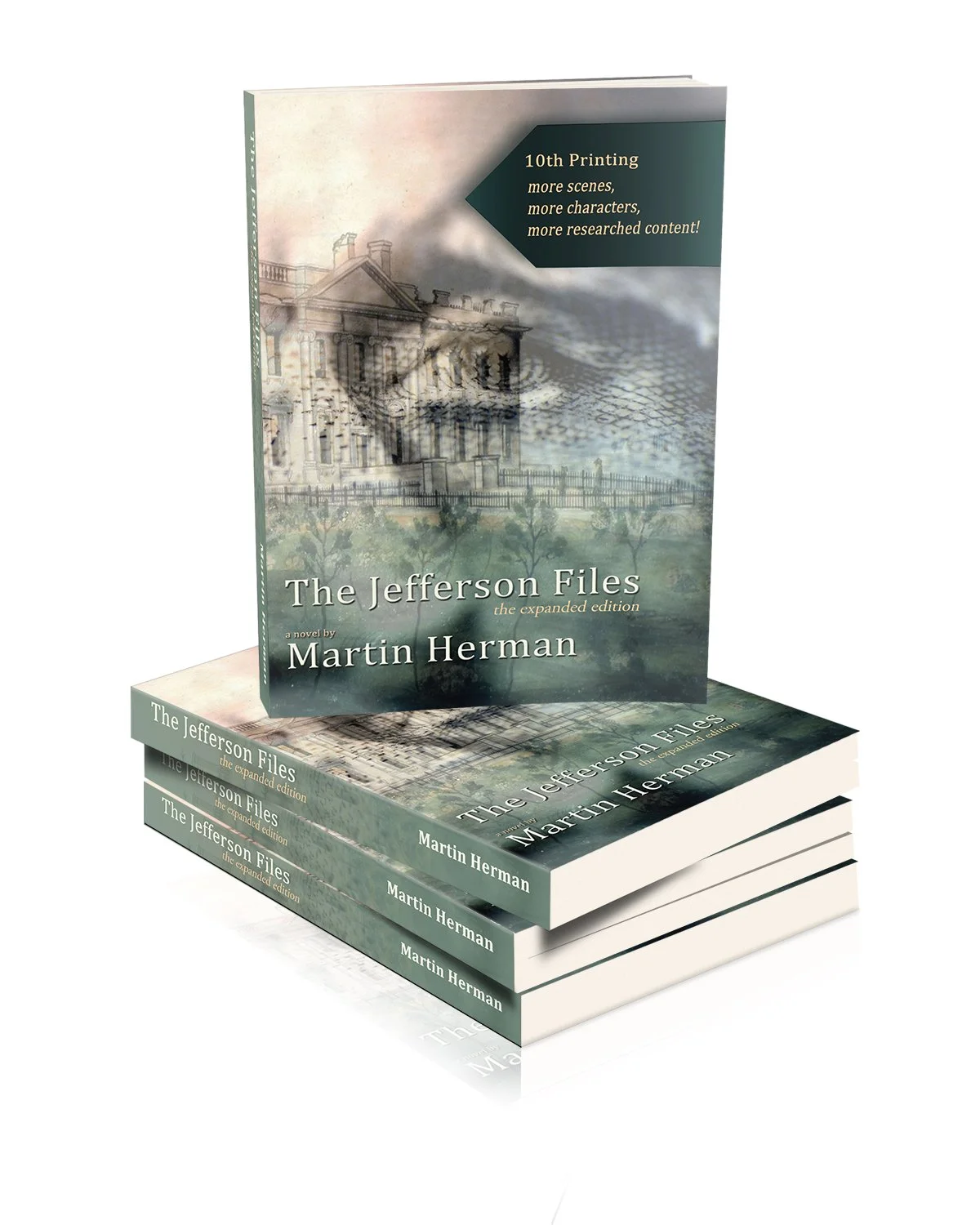
My first published historical novel not only tells a historical story, it mixes the plot with present day characters.
“A secret society brutally murders and then dumps a body into the Potomac River to float within site of the Jefferson White House. This crime is intended to send a message to the president, acknowledge and support us, enable us to do what we want, when and wherever we choose, or suffer the consequences. Almost 200 years later, a group of college students learn about the crime… the victim’s identity … and what Jefferson did about it. The current head of the society goes after the students. Rather than retreat, the students fight back.”
Start With the Story, Not the Footnotes
When I begin a project, I do not start with a mountain of research. I start with a question.
Who lived through this moment in history?
What did it feel like to stand in that place at that time?
History books tell us what happened. They rarely tell us what it felt like to be there. That emotional gap is where fiction comes alive. Once I have a character and a plot direction, I begin gathering the historical framework that supports it.
Research the World, Not Just the Event
Most people assume research means learning about major events. Wars. Political shifts. Famous speeches.
Those things matter, of course. But they are not what make a story feel real.
The details that truly bring history to life are often much smaller. What did people eat for breakfast? How long did it take to travel from one town to another? What words did people actually use in conversation?
Readers may not consciously notice these details, but they feel them. Authenticity lives in the ordinary moments.
Use Real People Carefully
One of the advantages of writing historical fiction is that real people sometimes appear in the narrative. The challenge is treating them with respect while still telling a good story.
When I include a real historical figure, I rely on documented facts for their public life. Speeches, actions, letters, and known events are the foundation. What happens between those documented moments is where the storytelling comes in.
The goal is never to rewrite history. The goal is to place believable characters inside it.
Avoid the Research Trap
There is a danger every historical writer eventually faces. It is the temptation to keep researching forever.
History is endlessly fascinating. One document leads to another, which leads to another, and suddenly you have spent weeks reading about 19th century railway schedules when the scene you need only requires a train to arrive.
At some point the writer has to stop researching and start writing.
The reader does not need to see every fact you discovered. In fact, most of it should stay behind the scenes. Research is like the foundation of a house. Essential, but not visible.
Let the Characters Lead
Once the groundwork is done, I allow the characters to move through the historical world naturally. Their choices shape the story.
Sometimes they surprise me. Sometimes they lead me to questions I had not considered before, which means returning briefly to research. But the story always comes first.
History sets the stage. Characters deliver the performance.
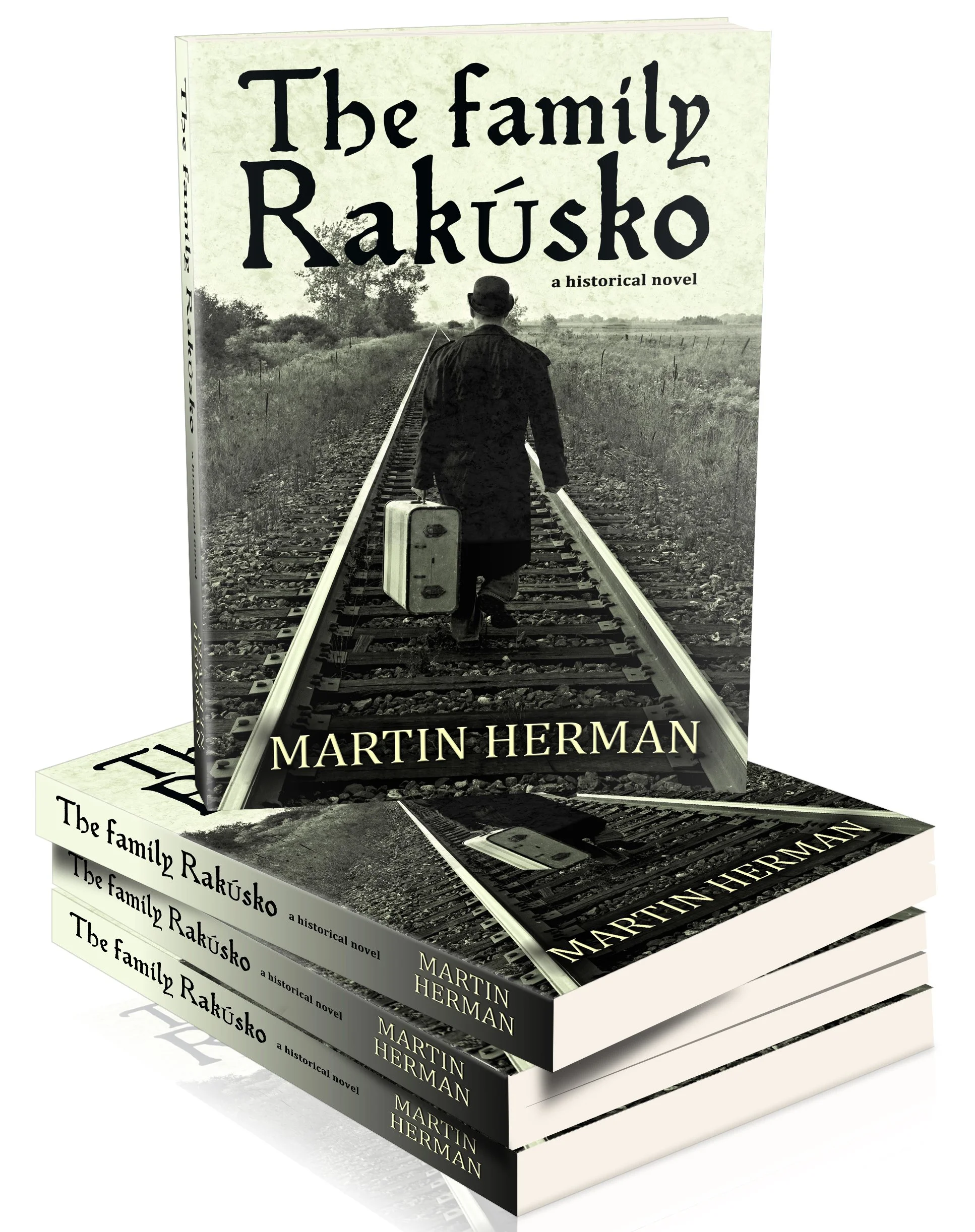
My best seller!
the Family Rakusko weaves the story of 10 generations through 400 years of history. I combined historical events with the cast of characters who were charlatans, cheaters, swindlers, grifters, con-men and con-women, rogues and scoundrels who skillfully and repeatedly cheated the rich, the famous, and the infamous and were seemingly unstoppable.
When Fact and Story Meet
The most satisfying moments in historical fiction happen when real events intersect with the fictional lives of the characters.
A documented moment in history suddenly becomes personal. A large event becomes intimate. Readers experience something they may already know about, but from a completely different perspective.
That is the heart of faction.
History tells us what happened. Storytelling reminds us that real people lived through those moments.
Why It Matters
The past is not just a collection of dates and documents. It is a collection of human experiences. Fear, hope, ambition, courage, and sometimes extraordinary coincidence.
When readers connect emotionally with a story set in another time, history stops feeling distant. It becomes human again.
And if a reader finishes one of my books and feels curious enough to learn more about the real history behind it, then the balance between fact and fiction has done its job.
Some questions asked by students in my Writing Classes:
-
“Faction” is a storytelling approach that blends historical fact with fictional storytelling. Real events and real people provide the historical framework, while fictional characters and dialogue bring the story to life.
-
Responsible historical fiction writers typically do not alter major historical facts. Instead, they place fictional characters within real events to explore how those events might have been experienced by ordinary people.
-
Historical fiction allows readers to experience the past through story. Instead of reading dates and facts, they follow characters whose lives unfold during real historical moments.
-
Yes. While the primary goal is storytelling, historical fiction often sparks curiosity about real events and encourages readers to explore the actual history behind the story.