Behind the Scenes: How a Writer Thinks
People often assume that writers sit down at a desk, wait for lightning to strike, and then type furiously until brilliance appears.
If only.
The truth is far less dramatic and far more interesting.
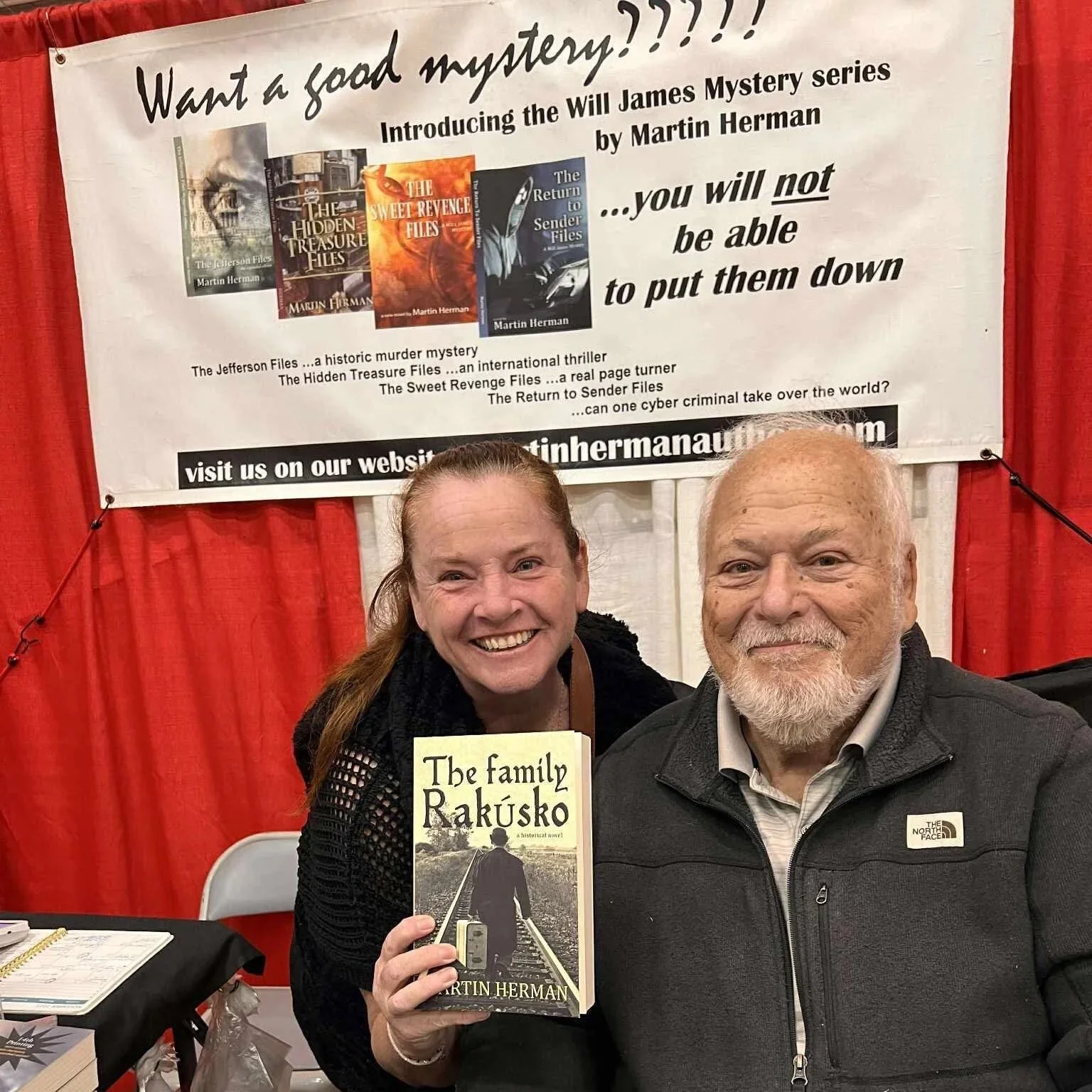
What is a writer thinking?
While some may think a writer’s life is bold, dramatic, or romantic like a scene from a Hemingway novel, it’s the process that each writer develops over time that brings a story to life. Or, a book to publication.
Let me tell you what goes through my mind!
A writer’s mind is rarely quiet. It is in constant motion. Sometimes when I’m standing in line at the grocery store or sitting next to someone on a flight, I’m observing the person in front of me. I’m wondering what they do for a living. I’m imagining who is waiting for them at home. By the time I reach the checkout, there is a backstory, a childhood, and a secret they may have been carrying since 1978.
This is how it begins.
Writing, for me, doesn’t start at the keyboard. It starts with curiosity. It begins with a question that won’t leave me alone. When I write historical novels and character-driven stories, I don’t simply collect dates and facts. I ask: What did this person fear? What did they hope for? What did they whisper when no one was listening?
Facts build the foundation. Imagination furnishes the building.
Behind the scenes, my process looks deceptively calm. I read. I research. I take notes, often far too many notes. Entire notebooks are filled with scribbles that may never see daylight. But thinking is part of the writing. Conversations at dinner are part of the writing. Even silence is part of the writing.
There is also a fair amount of wrestling involved.
Sometimes a sentence refuses to evolve. A paragraph sulks. A chapter insists it should begin somewhere entirely different than I had planned. Writing is less like assembling furniture and more like negotiating with a very opinionated cast of characters.
And yet, there is rhythm to it.
I often begin by asking myself where the emotional heartbeat lies. Every story, whether biography, mystery, or historical fiction, has a pulse. If I can find that pulse, I can follow it. Readers don’t turn pages because of information alone; they turn pages because they feel something shifting inside the storyline.
That is the writer’s true work: to build a bridge between lived experience and shared understanding.
When I’m deep in a manuscript, the world narrows in a curious way. Time becomes elastic. A single hour can feel like ten minutes, or ten minutes can feel like an hour. Characters begin to speak with clarity. Scenes sharpen. The story gains momentum, and I have learned the most important lesson of all…
Get out of the way!
A writer must be disciplined enough to show up and humble enough to listen. The best moments in writing are not forced; they are discovered.
And yes, occasionally lightning does strike. But it tends to strike those who are already sitting at the desk.
Behind every finished book is an untidy collection of drafts, doubts, revisions, and second guesses. There are chapters rewritten, endings reconsidered, and sentences polished until they finally sound like themselves.
The polished book you hold in your hands is the final performance.
The thinking, that beautiful, chaotic, persistent thinking is the rehearsal no one sees.
Readers Often Ask:
-
More than most readers realize. Research builds credibility and respect for real lives. The challenge is weaving those facts into a story that feels alive rather than instructional. My personal style is to combine the facts with fiction and create what I call “faction.”
-
I step away. Conversations, and reading often unlock what staring at the screen cannot. Thinking is still working. Most of the time I have more than one book it the working stages. So, I often leave one and work on another to keep my imagination fluid.
-
Constantly. If they don’t surprise me, they likely won’t surprise you! As many of you know some of my characters are based on readers who have submitted a description of themselves. I then weave them into the story.