From Pen to Purpose: Writing About Extraordinary Lives
There is a quiet weight that settles in when you agree to write about a real person.
It’s different from writing fiction. In fiction, the characters belong to you. In writing a biography, you belong, at least in part, to the story that has already been lived.
When I begin writing about an extraordinary life, I do not start with achievement. I start with humanity. Long before the awards, the recognition, the public moments, there was someone shaped by circumstance. It could be there was a decision made in uncertainty. It’s possible that there was a failure that could have ended everything they strived for.
That is where the story truly begins.
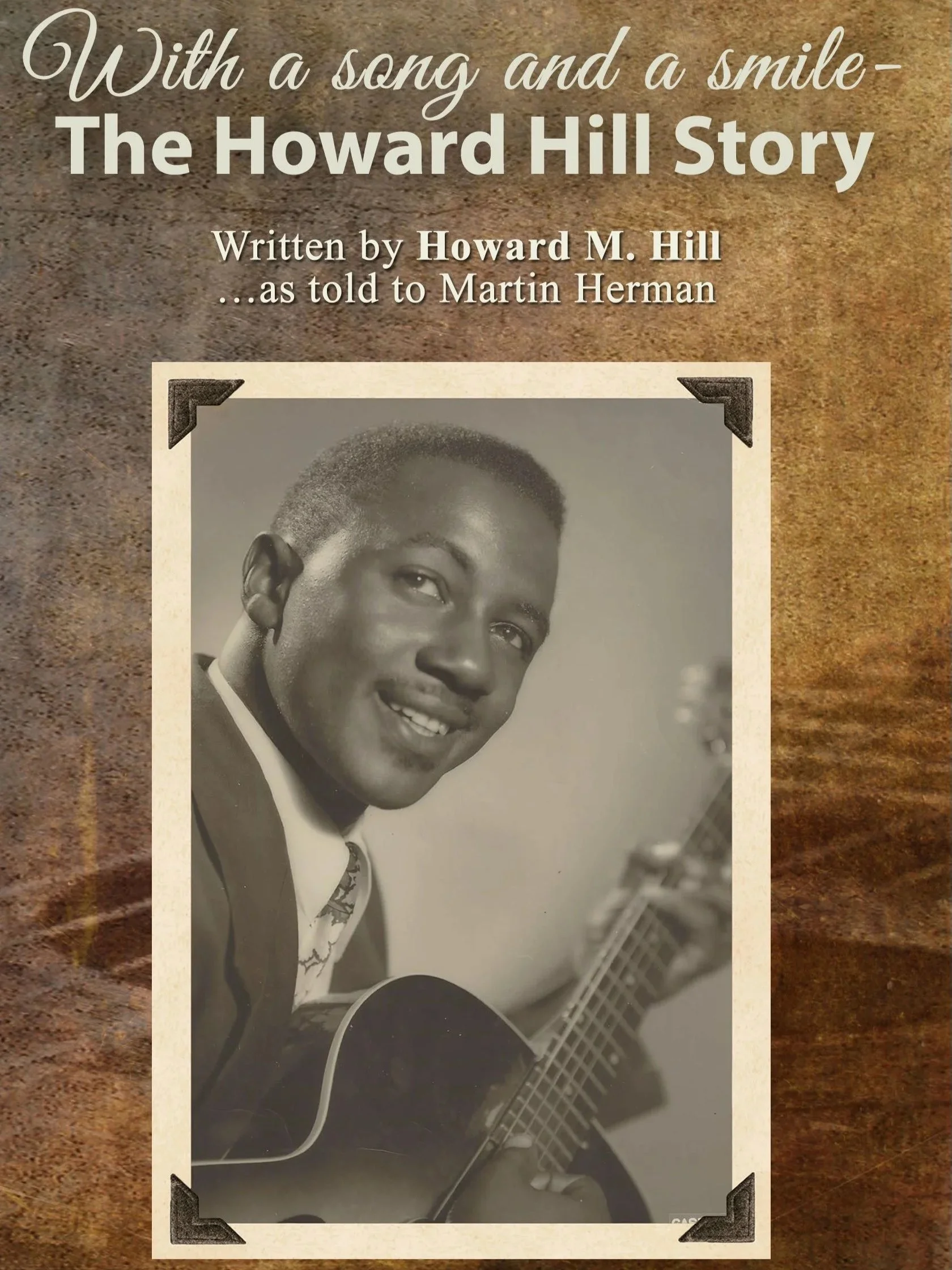
One of the biographies I was honored to write. I admitted that we could have been finished months earlier but I didn’t
want to stop these very precious visits with a man who became my friend.
I have a feeling that the Howard Hill he permitted me to see was a much deeper, somewhat more vulnerable man than the one others around him got to see.
He truly loved life. Music was his ticket to a life and lifestyle he might have paid for the right to be part of, but fortunately, kept that to himself.
Writing about real people is not an exercise in praise, it’s an act of stewardship. You are entrusted with memory, legacy, and often the most vulnerable chapters of someone’s life. Your task is not to polish them into perfection, but to reveal the thread that is woven through their life, the quiet courage, the resilience, the conviction that carried them forward when no one was watching.
I have found that extraordinary lives rarely unfold in straight lines. They bend under pressure. They pause in doubt. They change direction when doors close. The temptation as a writer is to smooth those edges, to make the path appear inevitable. But inevitability is rarely inspiring. Struggle is.
Research becomes more than gathering facts. It becomes listening. Listening to the subject, if they are living. Listening to family members who remember small but telling details. Listening to colleagues who witnessed defining moments. Even listening to history itself because context shapes character as much as personal choice.
Dates and accomplishments will build your timeline.
But it is the crossroads that build your narrative.
There is also a sacred responsibility in telling the truth. Accuracy matters. Integrity matters more. A biography should illuminate, not exaggerate. It should honor, not exploit. When dealing with real lives, particularly those marked by hardship, restraint is as important as revelation. Not every detail needs dramatizing. Sometimes quiet dignity speaks louder than spectacle.
Yet the goal is not simply to document. It is to connect.
An inspirational biography succeeds when the reader begins to see themselves in the pages. Perhaps they recognize a similar doubt. A similar turning point. A similar moment of risk. When that happens, the book becomes more than a portrait, it becomes a mirror.
And that is where purpose enters.
The lives I am most drawn to write about are not defined solely by success, but by impact. By the way they changed a family, a community, or even a single life. In some cases, the work tied to a biography extends beyond the book itself, supporting charitable causes or preserving a legacy in tangible ways. Storytelling, when done well, does not end with publication. It continues to ripple outward.
Structure matters, of course. Every life contains beginnings, turning points, and moments of reckoning. But structure should serve the story, not constrain it. The story must feel organic, as though the reader is walking alongside the subject, discovering events in the order they unfolded emotionally, not just chronologically.
Because biography, at its best, is not about proving someone was extraordinary. It’s about showing how an ordinary human being chose to act with courage, conviction, or compassion when it mattered most.
From pen to purpose.
When we write about real people with care, honesty, and depth, we do more than preserve history. We create a legacy. We remind readers that greatness is rarely born in spotlight, it is forged in years of perseverance.
And sometimes, the most powerful stories are not the loudest ones.
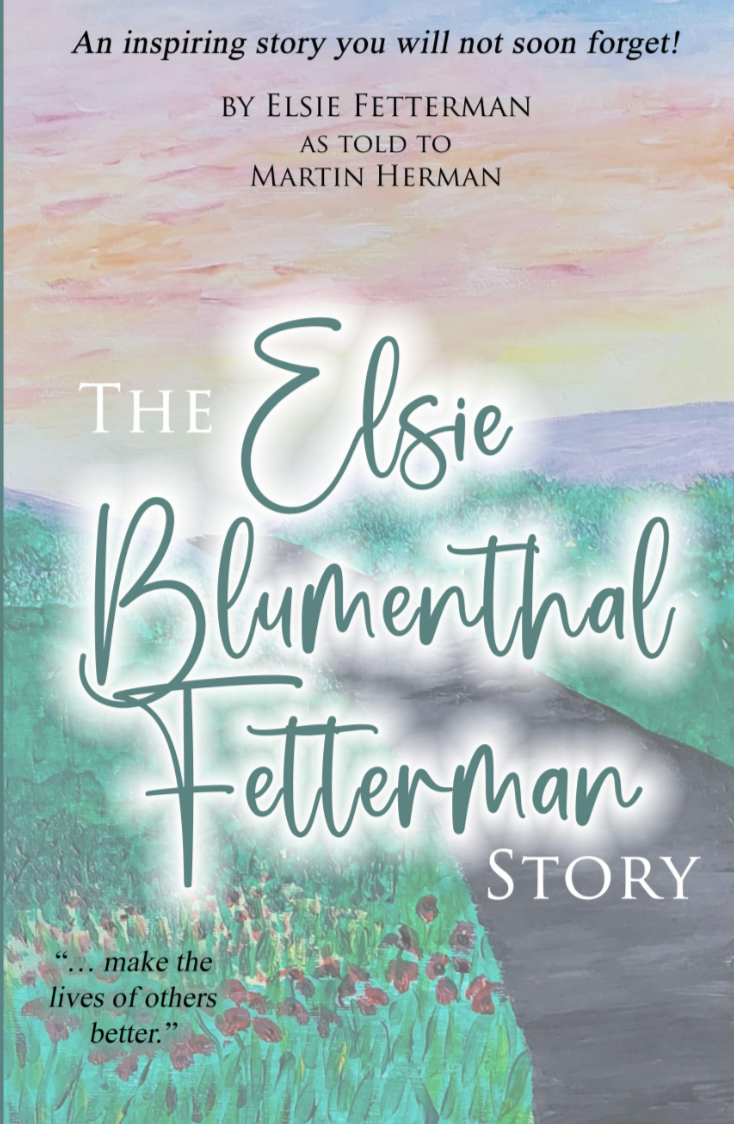
Spend just a few minutes with her, and you will agree it is virtually impossible not to want to take her home with you, to bring her positive and ‘can do’ attitude into your world.
This is her story so far.
You will be motivated, inspired, and challenged to get involved and join in Elsie’s example to help make the world a better place.
Hers is an inspiring story you will not soon forget!
Frequently Asked Questions (FAQ)
-
An inspirational biography goes beyond achievements and reveals the personal growth, adversity, and character behind success. Readers are inspired when they see resilience and purpose unfold.
-
Yes. Humanity creates connection. Including doubts, setbacks, and turning points strengthens both authenticity and inspiration.
-
Absolutely. Some of the most compelling stories come from individuals who quietly shaped their communities, families, or fields of work.